Itinerary Overview
Taipei Sightseeing Bus —National Palace Museum—Xinbeitou Station—Beitou Library—Beitou Hot Spring Museum—Puji Temple—Xinbeitou Hot Spring Area
▲
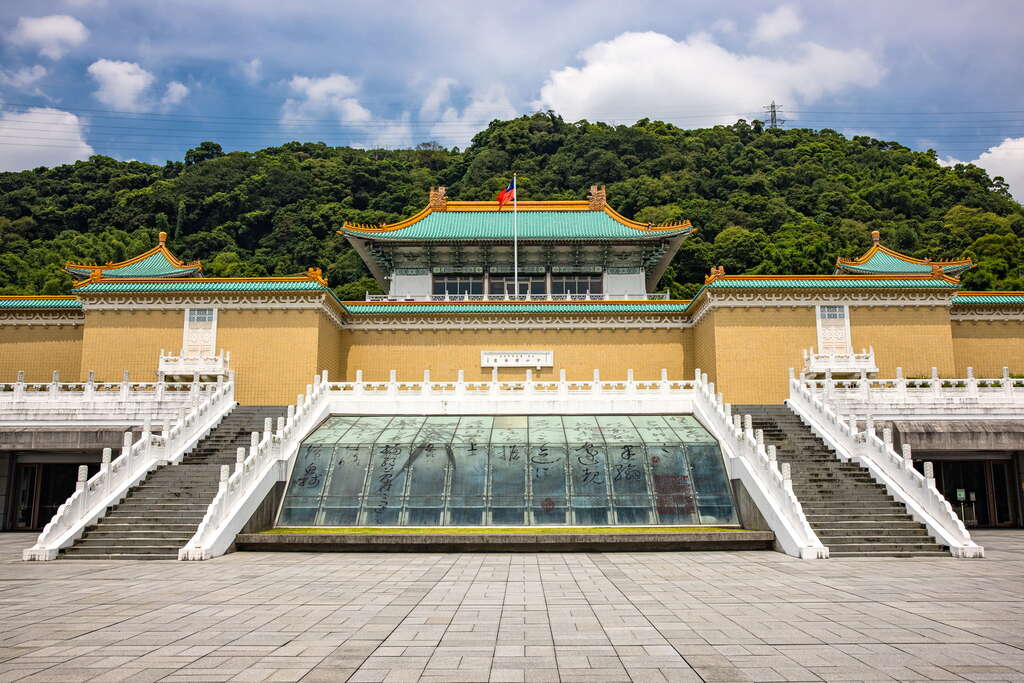
The National Palace Museum
The double-decker sightseeing buses operate on two routes, red and blue, and pass through the famous attractions of Taipei City, providing audio guides in Chinese, English, Japanese, Korean, and Thai.
The National Palace Museum, with its collection of cultural relics and treasures, is known as the “Treasure House of Chinese Culture,” and is a must-visit tourist destination in Taiwan, with nearly 700,000 pieces of artifacts that encompass the 5,000-year history of Chinese culture. The National Palace Museum features two sets of “Three Treasures”: one is the Three Treasures of the National Palace Museum in the art world, which are three giant ink paintings of the Northern Song Dynasty, and the other is the folk version of the Three Treasures of the National Palace Museum, which are the Jadeite Cabbage, the Meat-shaped Stone, and the Mao Gong Ding, so named because of the resemblance to the folk cuisine “Meat with Pickled Cabbage Hot Pot”.
▲
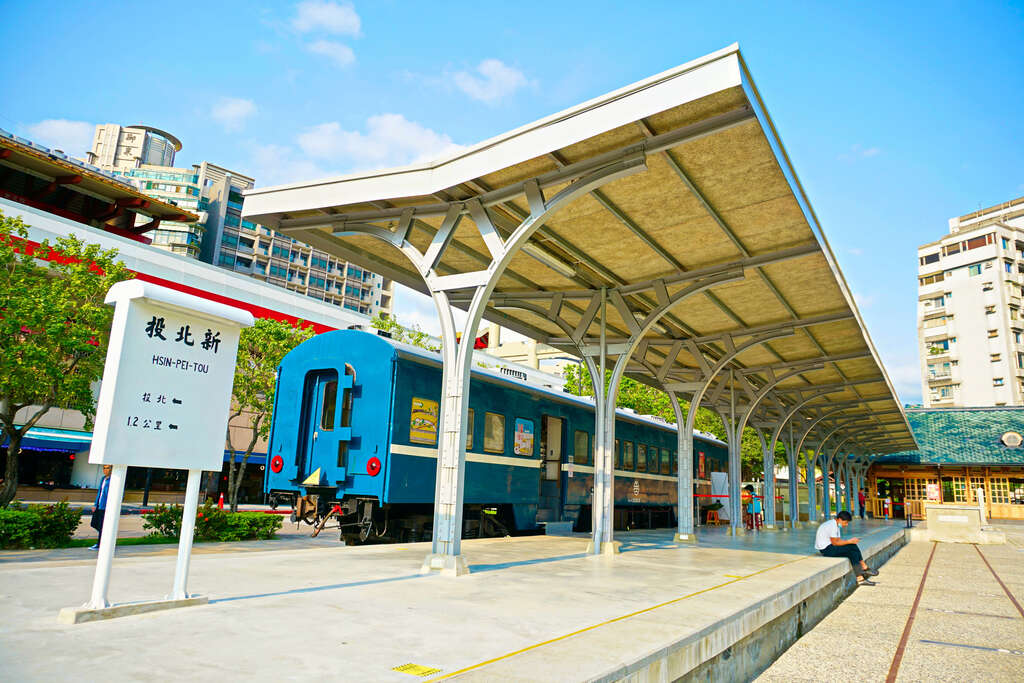
Xinbeitou Station
Xinbeitou Station is the only remaining century-old station in Taipei City. The station structure is made of wood, and the carved pedestals under the eaves and the 3+1 combination of roof windows that were created in 1937 due to the expansion of the station structure are one of the major architectural features of the station. Its origin can be traced back to the days when Taiwan was under Japanese rule. The Xinbeitou branch line was constructed in order to utilize the hot spring for tourism development. Later, the "Xinbeitou Chengjiangsuo (railway stop)" was established and renamed as "Xinbeitou Yi (station)" in 1916 (Taisho 5). The name of the place, Xinbeitou, was thus created.
▲
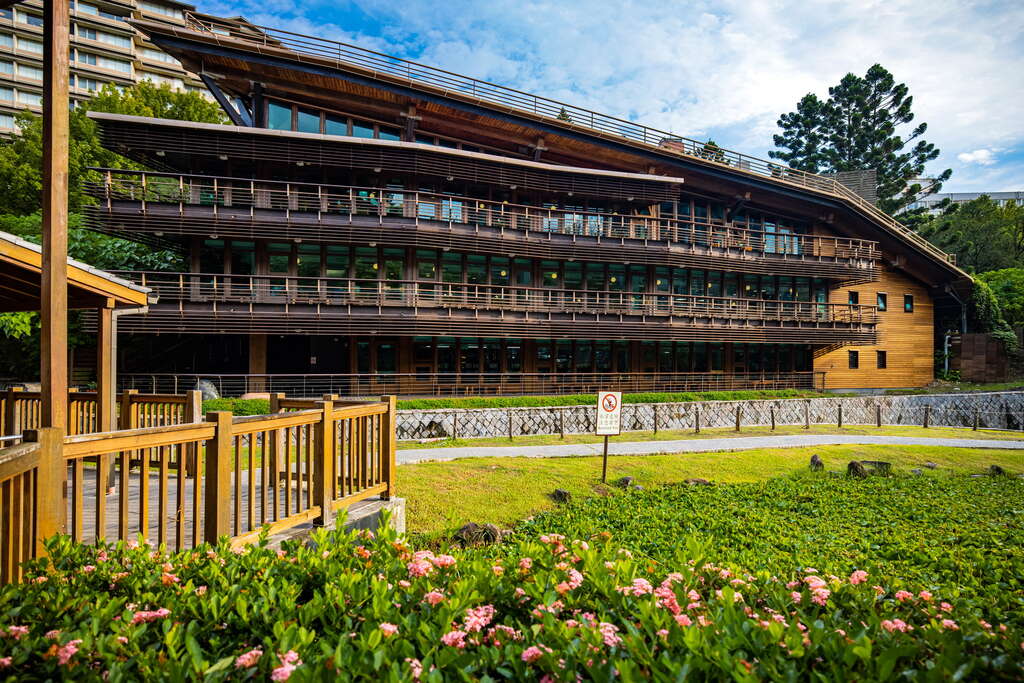
Beitou Library
Apart from being famous for its hot springs, Beitou is also home to Taiwan’s first “green” library. This distinctive structure is located in the lush green environs of Beitou Hot Spring Park,The aroma of books indoors and the sounds of birds outdoors make for a fascinating combination. The library has a collection of tens of thousands of books, and is characterized by “ecological conservation.” The wide array of knowledge treasures makes it a paradise for book lovers. Part of the roof is covered in solar panels, Rainwater collected by the sloping roof’s drainage system is used to water the library’s plants and flush the toilets,to reduce the amount of toxins released into the environment.
▲
The Beitou Hot Spring Museum
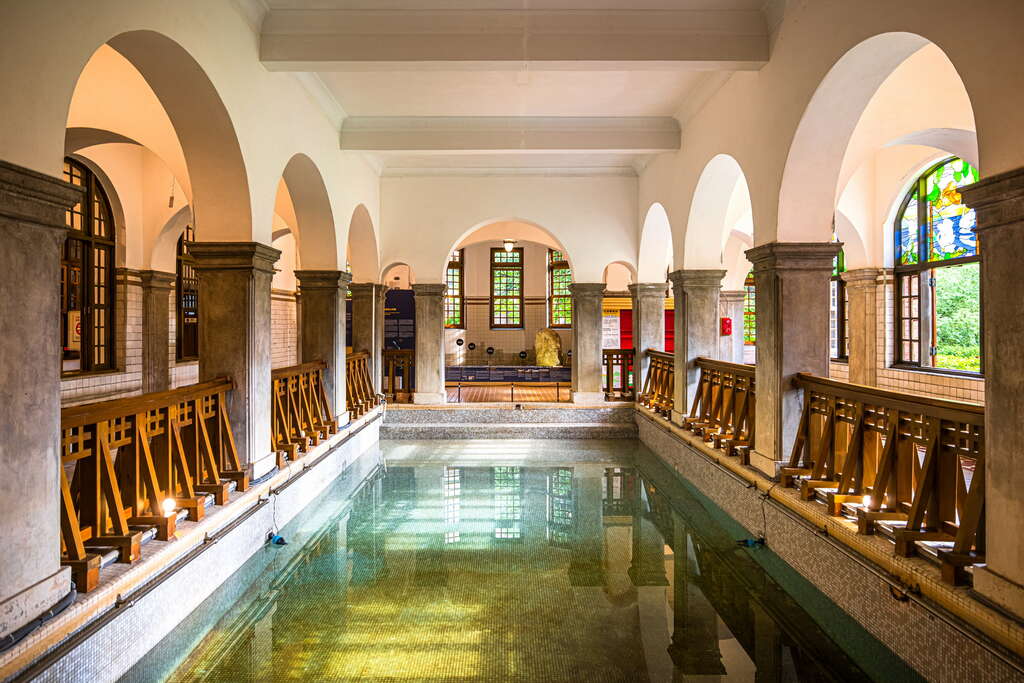
The Beitou Hot Spring Museum, formerly known as the Beitou Public Bathhouse, was completed in 1913 and was the largest public hot spring bathhouse in East Asia at that time. This famous public hot spring bathhouse was built as early as the Japanese era, The Tudor-style building has a brick and wood façade and black tile roof set picturesquely in the surrounding greenery.The tatami-mat activity hall offers a beautiful view of the entire Beitou Valley and the park, making it a good place to relax and unwind
▲
Puji Temple, Beitou
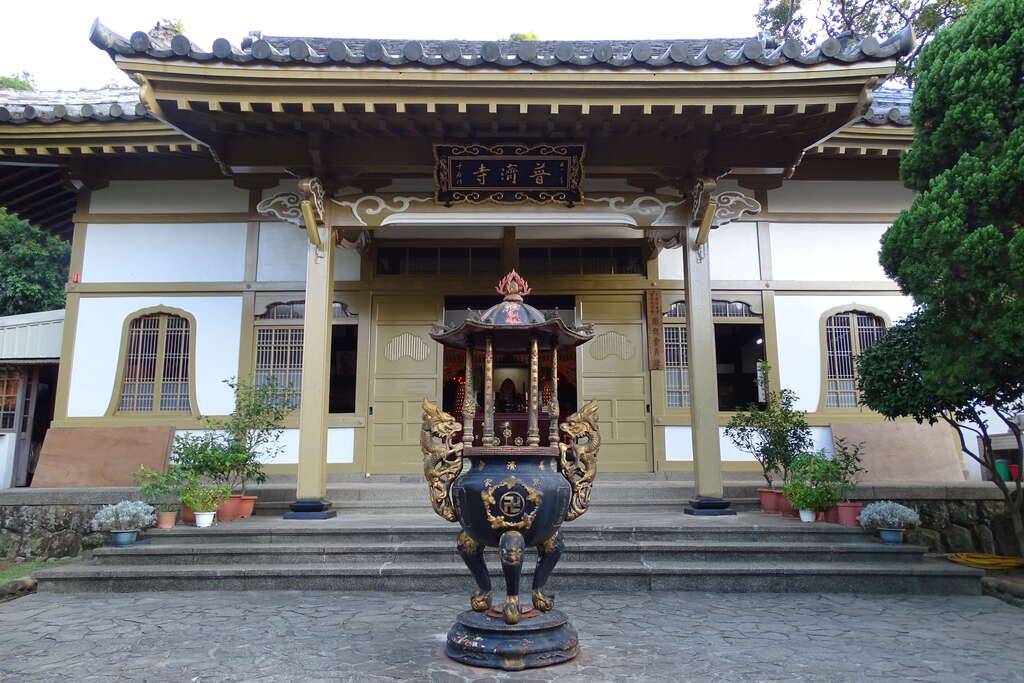
In 1998, the temple was designated as an official historic site.The century-old wooden structure retains the Japanese style of a Buddhist temple and features a quiet and peaceful atmosphere. The main hall is made of high-grade cypress and the interior floor is paved with tatami, presenting the beauty of a simple, tranquil and solemn Japanese temple. Inside the pavilion, there is a statue of “Koyasu Kannon,” one of the incarnations of the Japanese Jizo Bodhisattva, attracting many people to pray for heirs. The temple’s two main deities, the Bathhouse Guardian Kannon and Koyasu Kannon, are unique features of the temple.